

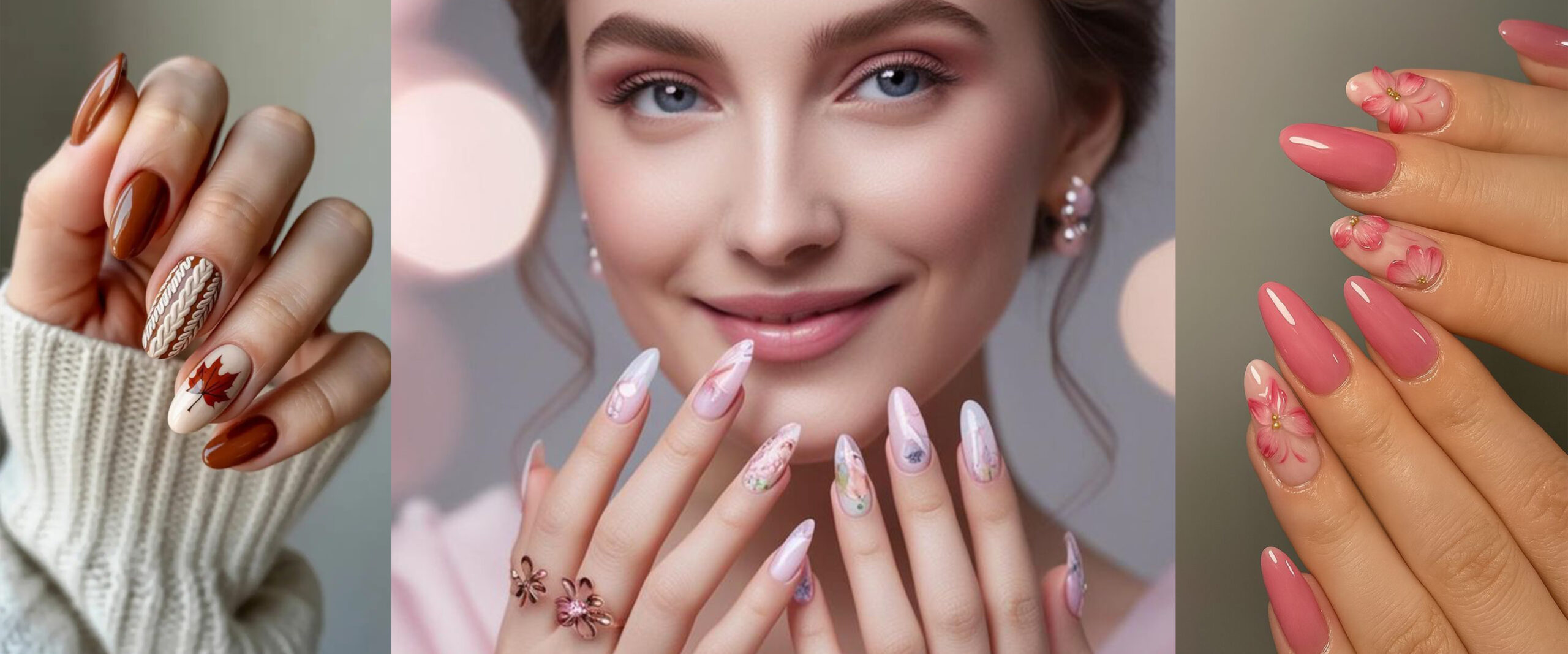
Nail Art Skill Progress Worldwide — Trends, Demand & How Artists Cash In.
Nail art has gone from a salon-only indulgence to a global creative economy. Once limited to simple polish changes, modern nail artistry now includes intricate hand-painted designs, 3D embellishments, gel/LED technology, and AI-powered design templates — all amplified by short-form social media. This post explores how nail art skills have progressed worldwide, why demand is skyrocketing across markets, how technicians are monetizing their craft, and what steps an aspiring or established nail artist should take to thrive in 2025.
How nail art skills evolved — a brief timeline
-
Traditional polish era: simple color changes and French manicures dominated through the 1990s–2000s.
-
Acrylic & sculpting boom: late 2000s—2010s brought acrylic extensions and sculpting techniques.
-
Gels and LED tech: 2010s—2020s mainstreamed durable gel systems and cured designs.
-
Digital & social shift: 2015 onward — Instagram and TikTok turned nail art into shareable art; micro-trends (press-on nails, chrome, negative-space) spread globally overnight.
-
Present (2024–2025): hybrid techniques, sustainable formulations, and non-toxic certifications rise; artist portfolios are multimedia (videos, time-lapses, reels).
Global demand — who’s buying and why it’s growing
-
Consumers: younger demographics (Gen Z & millennials) drive trend adoption; they want customization, shareable looks, and sustainable products.
-
Bridal & events market: weddings and high-profile events favor custom and luxury nail work.
-
Professional & corporate customers: stylized but subtle looks for executives.
-
Mobile & at-home clients: convenience fuels the rise of booking apps and home salons.
-
Retail & DIY: press-on nails, kit sales, and influencer-curated lines open new revenue streams.
Why demand grows: social media visibility, low entry price for consumers (press-ons, fast services), rising disposable income in emerging markets, and more acceptance of self-expression through beauty.
Regional highlights — where skills and demand stand
-
North America & Western Europe: high spending power, premium salon services, large social followings, and professional certification programs.
-
East Asia (Japan, Korea): trendsetters in meticulous, detailed designs and tech-driven methods.
-
South Asia & Middle East: booming demand in urban centers — hybrid salons, mobile services, and rising certification programs.
-
Latin America & Africa: fast-growing markets with strong mobile and informal economies driving local nail entrepreneurs.
Training pathways & skill progression for nail artists
-
Formal courses: accredited diplomas, salon apprenticeships, and continuing education.
-
Microlearning & online: tutorial subscriptions, masterclasses, and short reels that teach trends quickly.
-
Practice & portfolios: investing in practice hands, time-lapse videos, and consistent posting builds credibility.
Certifications & safety:chemical handling, sanitation protocols, and product knowledge are essential for trust and scaling.
Monetization — proven revenue streams for nail artists
-
Salon-based services: base service + add-ons (art, gems, nail care).
-
Mobile services: higher per-visit fees for convenience.
-
Press-on & product lines: scalable, passive income opportunity if you can brand and produce.
-
Online education: paid tutorials, Patreon, Udemy-style masterclasses.
-
Affiliate & sponsored content: leverage large social followings for partnerships.
-
Events & bridal packages: premium, high-value bookings.
Tip: Diversify — combine local services with scalable digital products for steady income.
Tools, tech & trends shaping the next 2–3 years.
-
AI design assistants: apps that auto-generate nail layouts from photos.
-
Sustainable formulas: non-toxic, cruelty-free, recyclable packaging.
-
3D printing & embellishments: bespoke pieces printed on demand.
-
Augmented reality try-ons: clients preview looks via filters before booking.
-
E-commerce & subscription boxes: recurring revenue via monthly nail themes.
How to progress your skillset fast — a 90-day plan
-
Days 1–30: fundamentals — sanitation, shapes, basic gels, and two signature designs. Post daily progress.
-
Days 31–60: advanced techniques — ombré, chrome, encapsulated designs, and business basics (pricing, bookings). Launch a portfolio site.
-
Days 61–90: marketing — short-form video series, local ads, press-on product test. Upsell first 10 clients a premium package.
Challenges & ethical considerations
-
Chemical safety: long-term exposure risks require proper PPE and ventilation.
-
Copycat trends vs originality: protect IP for signature designs where possible.
-
Price pressure: cheaper DIY press-ons and discount salons compress margins. Combat this with exceptional service and branding.
-
Sustainability: consumers increasingly value non-toxic and recyclable products.
Future outlook — 2026 and beyond
Nail artistry will become more hybrid: a mix of physical services and digital products. Micro-educators will monetize small, loyal followings, while boutique salons offer experience-driven luxury. Expect localized trends to continue going global quickly, and for AI/AR tools to make custom design accessible to hobbyists and professionals alike.
Actionable checklist for salon owners & nail artists
-
Update portfolio with short video reels (vertical format).
-
Offer one premium package (higher margin).
-
Launch a small set of press-on options or kits.
-
Get certified in sanitation and list certifications on the site.
-
Use a simple booking system with deposit collection.
-
Collect and promote customer testimonials and before/after photos.
Conclusion — why skill matters more than ever.
As the nail industry matures, skill differentiation and savvy business models will separate thriving artists from the many who compete on price alone. Invest in training, protect health, and build digital assets — that’s how nail artists turn creativity into a sustainable career.
Call to Action: Ready to level up? Book a portfolio review, start a 30-day practice challenge, or launch your first press-on collection. (Link to course/booking.)
FAQ (for on-page accordion & FAQ schema)
Q1: How fast can I become a professional nail technician?
A: With focused practice and guided courses, many artists reach a professional service level in 3–6 months; mastery takes longer and is ongoing.
Q2: Is nail art profitable?
A: Yes — profitability depends on pricing, repeat clients, add-on services, and diversification (products/online training).
Q3: What equipment do I need to start?
A: Basics: LED/UV lamp, quality brush set, gel/acrylic kits (if offering extensions), sanitation supplies, practice hands, and reliable lighting.
Q4: Can I sell press-on nails without a salon?
A: Absolutely; press-ons are a scalable product you can sell online through marketplaces and your own store.
Q5: Are online nail courses worth it?
A: If they’re taught by verified pros and include practice drills, yes — they’re efficient for trend updates and technical skills.
Leave a comment